


-

Add: HeBei ShengShi HongBang Cellulose Technology CO.,LTD.
-

Email
13180486930@163.com -

CONTACT US
+86 13180486930
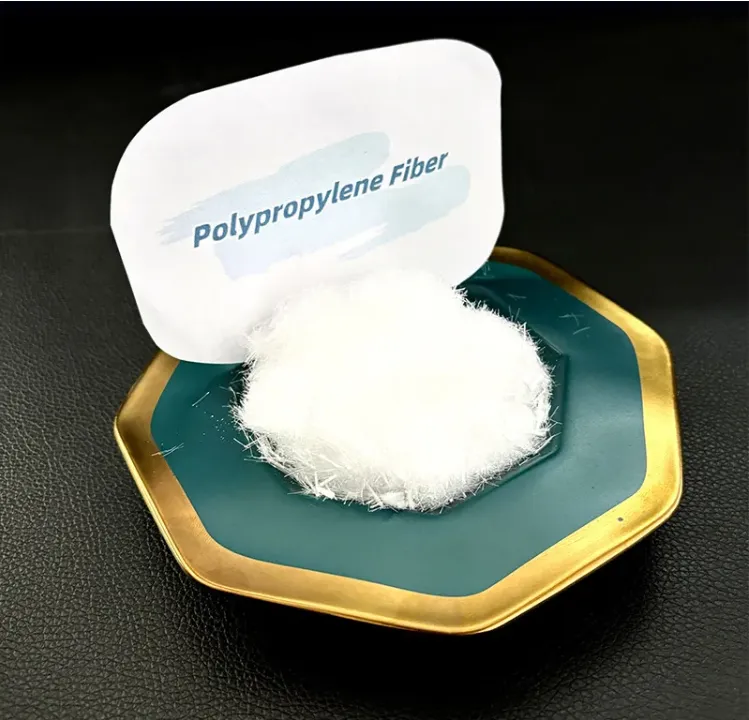
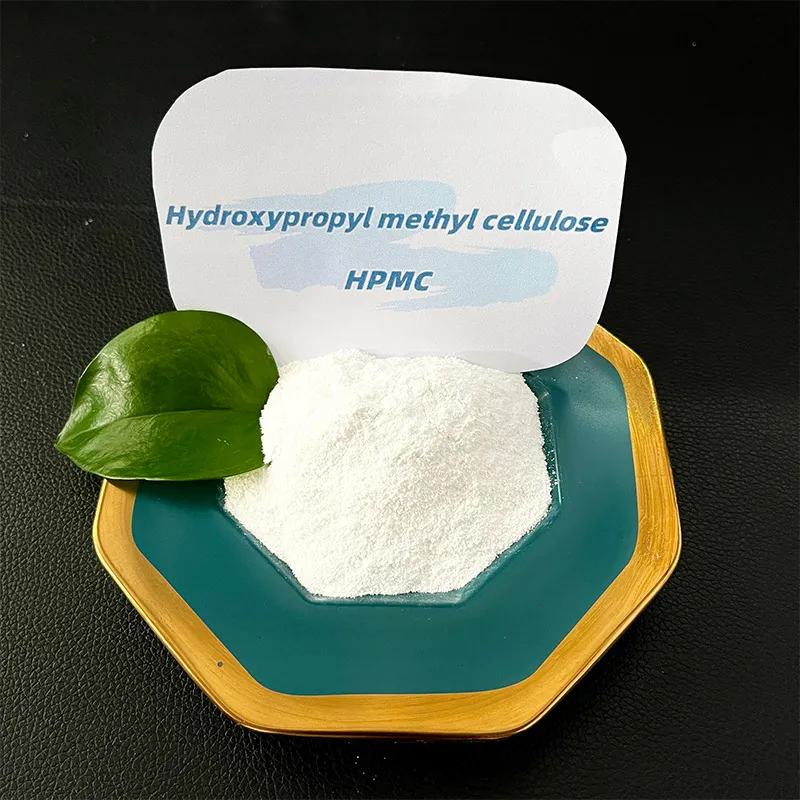

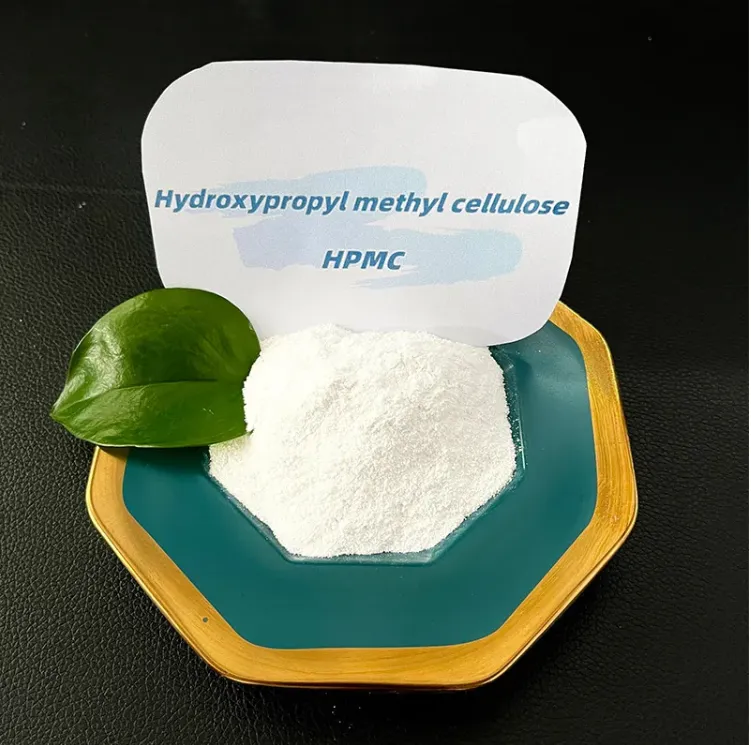


Exploring the molecular weight of hydroxypropyl methylcellulose (HPMC) unveils a nuanced aspect often overlooked yet crucial in multiple applications within pharmaceuticals, construction, and food industries. The molecular weight directly influences HPMC's solubility, viscosity, and functional properties, challenging even the most experienced professionals to match the perfect balance for specific industrial needs. Molecular weight, fundamentally, indicates the size of a single HPMC molecule, typically ranging between 10,000 to 1,500,000 g/mol. This variability allows HPMC to adapt to diverse roles, from thickening agents in sauces to extended-release agents in medicine, showcasing its versatility. In pharmaceuticals, HPMC's molecular weight is instrumental in controlling drug release rates . A higher molecular weight often translates to increased viscosity, which is pivotal in formulating controlled-release drugs. This characteristic ensures that the medication is released at a consistently maintained rate, enhancing the treatment's efficacy and patient compliance. Manufacturers aiming for precision must therefore select HPMC with a molecular weight that aligns perfectly with the intended release profile. The food industry similarly benefits from HPMC's customizable properties. As a stabilizer and texturizer, the molecular weight determines how effectively HPMC can emulsify and retain moisture in products like low-fat dairy or gluten-free items. By adjusting the molecular weight, food technologists can create products with improved mouthfeel and structural integrity, which are crucial for consumer acceptance. In construction, HPMC's role as a rheology modifier is heavily dictated by its molecular weight. For applications in cement-based products, such as tile adhesives or self-leveling compounds, an HPMC variety with an appropriate molecular weight ensures the correct balance of water retention and workability. This factor is critical to achieving the desired slump resistance and tensile adhesion strength in building materials. hpmc molecular weight Despite these benefits, selecting the incorrect molecular weight can lead to suboptimal performance. For instance, in pharmaceuticals, an HPMC with too low a molecular weight could result in rapid drug dissolution, counteracting the desired slow-release effect. Similarly, in construction, using a product with inadequate molecular weight might fail to impart necessary workability or lead to cracking due to insufficient water retention. Adopting a scientific approach, many experts utilize techniques such as gel permeation chromatography or viscometric methods to determine the precise molecular weight of HPMC needed for a given application. These methods provide insights that allow formulators to predict the polymer's behavior, fostering innovation and precision in product development. The authoritative voice in HPMC usage stems from balancing experience with empirical data, ensuring the chosen molecular weight aligns with application-specific requirements. This intricate balance nurtures trust among clients and consumers, who rely on consistent, high-quality products underscored by rigorous scientific validation. In conclusion, understanding and selecting the appropriate molecular weight of HPMC is an art that combines advanced technical knowledge with practical expertise. Professionals tasked with this selection process drive innovation and quality across industries, reinforcing HPMC's role as an indispensable component in achieving desired performance outcomes in countless applications.
- 40000tons

Production
- 20+years

Experience
- 5000+㎡

Acreage

-
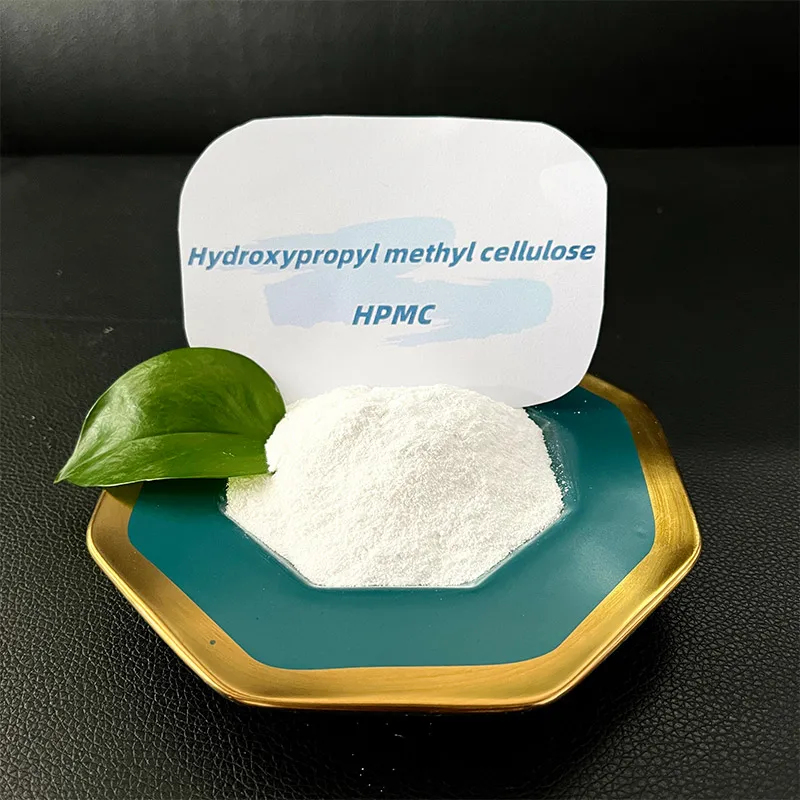
In the construction industry, creating durable and long-lasting tile adhesives is a top priority. The use of rubber powder in tile adhesives has gained significant attention for its ability to enhance the performance and longevity of the bond between tiles and surfaces. Rubber Powder-821 is one such product that has proven to be a reliable solution for durable bonding. This article explores why rubber powder-821 is the go-to choice for tile adhesive manufacturers and consumers looking for robust, lasting results. Rubber Powder-821: Revolutionizing Tile Adhesive Solutions Rubber powder-821 is a specially formulated compound that incorporates rubber powder into the adhesive mix to improve its flexibility, adhesion, and durability. The addition of rubber powder gives the tile adhesive superior elasticity, making it more resistant to cracking and other forms of damage that can occur due to movement or temperature changes. When compared to traditional tile adhesives, rubber powder-821 offers a unique advantage in that it ensures a stronger and more resilient bond between tiles and surfaces. This is especially critical in high-traffic areas, wet environments, and regions with significant temperature fluctuations. The enhanced bonding properties of rubber powder-821 help maintain tile integrity over time, preventing detachment or shifting that can occur due to wear and tear. The Role of Chlorinated Rubber Powder in Enhancing Tile Adhesive Strength In addition to the benefits of rubber powder , chlorinated rubber powder is often included in formulations to improve the chemical stability of tile adhesives. Chlorinated rubber powder contributes to the adhesive's ability to withstand harsh environmental conditions such as moisture, chemicals, and extreme temperatures. This makes it an ideal ingredient for tile adhesives used in bathrooms, kitchens, and outdoor areas where exposure to water and harsh chemicals is common. The unique properties of chlorinated rubber powder allow tile adhesives to remain intact even in challenging environments, ensuring that the bond between tiles and surfaces stays strong and durable for many years. By combining rubber powder-821 with chlorinated rubber powder , tile adhesive manufacturers can offer products that provide exceptional performance, especially in applications where the tiles are exposed to constant moisture or changing temperatures. How Rubber Powder Enhances Adhesion and Flexibility in Tile Bonding One of the most significant advantages of using rubber powder in tile adhesives is its ability to enhance adhesion and flexibility. Rubber powder is known for its elasticity, which makes tile adhesives more forgiving under stress. This is particularly important for tiles that need to bond with surfaces subject to expansion and contraction, such as concrete floors or walls. The incorporation of rubber powder-821 improves the adhesive's capacity to resist cracking and peeling, even under conditions of repeated stress. The increased flexibility ensures that the adhesive can accommodate slight movements without losing its bonding strength. As a result, tiles remain securely attached, even in environments where temperature fluctuations or settling of underlying surfaces may cause traditional adhesives to fail. Rubber Accelerator Free Gloves: Protecting Workers in Tile Installation While discussing the benefits of rubber powder in tile adhesives, it’s also important to consider the safety and well-being of workers handling these materials. Many tile adhesives, especially those that contain chemicals like rubber powder and chlorinated rubber powder , require precautions to avoid skin irritation or allergic reactions. To mitigate these risks, rubber accelerator free gloves are highly recommended for those applying tile adhesives. Rubber accelerator free gloves are specially designed to protect workers from exposure to potentially harmful chemicals found in rubber powder and other adhesive ingredients. These gloves are made without accelerators, which are chemicals that can cause allergic reactions or skin sensitivities. Using rubber accelerator free gloves ensures that workers can handle rubber powder-821 and other adhesive products safely, without compromising their health or comfort. In conclusion, rubber powder-821 is the ideal choice for creating tile adhesives that offer exceptional bonding strength, flexibility, and resistance to environmental stressors. The incorporation of rubber powder and chlorinated rubber powder results in a highly durable adhesive that ensures tiles remain firmly in place, even in the most demanding conditions. Whether it's for residential, commercial, or industrial applications, rubber powder-821 guarantees a lasting bond that will withstand time and wear. For those looking to purchase high-quality rubber powder-821 for tile adhesive applications, visit our website to explore our extensive product range. By choosing rubber powder-821 , you're investing in a tile adhesive that delivers long-lasting results and superior performance for any project.
-
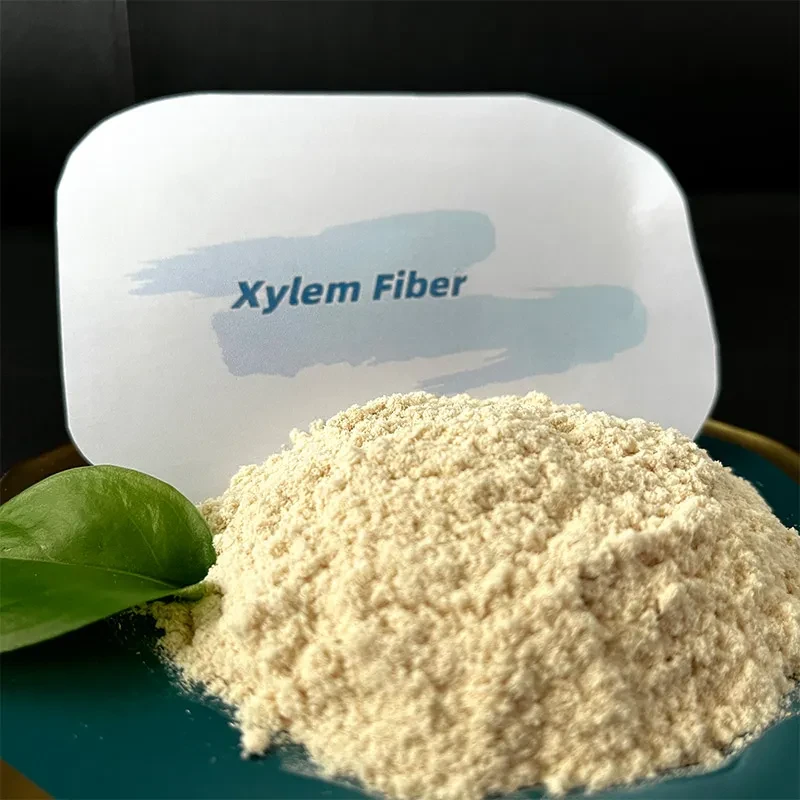
Glass filled polypropylene, commonly known as glass filled PP, is a marvel of modern engineering that brings a plethora of benefits across various industries. As a seasoned industry expert, I have seen firsthand how the incorporation of glass fibers into polypropylene matrices has transformed the durability and functionality of a range of products, making it a material of choice for numerous applications. In the realm of automotive manufacturing, glass filled PP has emerged as a driving force behind enhanced vehicle performance and durability. Its superior strength-to-weight ratio makes it an ideal substitute for heavier metals, contributing to significant weight reductions in vehicles. This not only improves fuel efficiency but also reduces carbon emissions, aligning with global sustainability goals. I have observed that automotive engineers often prefer glass filled PP for parts like front-end modules and under-the-hood components due to its exceptional thermal resistance and sound dampening properties. The packaging industry is another sector where glass filled polypropylene has made significant inroads. Its robust mechanical properties ensure that containers and packaging materials maintain their integrity even under extreme conditions. With the heightened focus on sustainable packaging solutions, glass filled PP offers an eco-friendly alternative that does not compromise on performance. My experience with leading packaging manufacturers has shown that switching to glass filled PP can lead to reduced material wastage and enhanced recyclability of products. In the electrical and electronics fields, glass filled PP has set new standards for efficiency and safety. Its excellent insulating properties and resistance to electrical conductivity make it ideal for housing electrical components. Additionally, its flame retardant capabilities provide an added layer of safety, crucial in the manufacturing of household appliances and consumer electronics. Industry specialists frequently refer to glass filled polypropylene as a game-changer for enhancing product longevity and reliability. The construction industry, too, has not been left behind in embracing the advantages of glass filled PP. This material has been instrumental in creating lightweight, yet robust construction materials, from piping systems to roofing components. Its resistance to chemical corrosion and moisture absorption makes it particularly suitable for use in extreme environmental conditions. During my consultations with construction firms, the feedback has been overwhelmingly positive, highlighting reduced maintenance costs and improved infrastructure resilience. glass filled pp From a technical perspective, the process of compounding glass fibers with polypropylene demands precision and expertise. The proportion of glass filler can be meticulously controlled to optimize the material's mechanical properties for specific applications. My collaborations with polymer scientists and engineers have underscored the importance of technology and precision in manufacturing these advanced composite materials. The true innovation of glass filled polypropylene lies not just in its structural benefits, but also in its versatility. This material can be tailored to meet a wide range of aesthetic and functional requirements, allowing for custom solutions that cater to specific industry needs. Its adaptability and ease of processing mean that manufacturers can create parts with intricate geometries and superior surface finishes, which are often required in both consumer and industrial applications. Trust in materials is pivotal across industries, and glass filled PP does not fall short in this respect. Reputable testing and certification processes bolster its credibility, providing assurance of its performance and compliance with industry standards. It is crucial for manufacturers to rely on certified suppliers to ensure the uniformity and quality of glass filled PP, which in turn maintains the integrity of the final products. My experiences with quality assurance specialists have shown that this reduces long-term liability and enhances consumer trust. In conclusion, the transformative impact of glass filled polypropylene cannot be overstated . Its innovative blend of strength, durability, and versatility offers a sustainable path forward across diverse sectors, from automotive to electronics and beyond. Embracing glass filled PP as a staple in product manufacturing is not just a step towards modernity but a commitment to progress and excellence. With a keen eye on emerging trends and technological advancements, industries can continue to leverage this material’s full potential, yielding products that are not only superior in performance but also aligned with the highest standards of quality and environmental responsibility.
advantages
-

200000 Viscosities
Excellent product
We can produce pure products up to 200,000 viscosities
-

40000 tons
High yield
We don’t stop production all year round, and the annual output can reach 40,000 tons
-

24 hours
Quality service
We provide 24-hours online reception service, welcome to consult at any time
———— Inquiry Form
Schedule A services
-
 ano_ang_polypropylene_fiber
Oct . 25, 2025
In the dynamic world of industrial applications, the need for reliable and effective thickening agen -
 polypropylene_fiber
Oct . 25, 2025
Hydroxypropyl methylcellulose (HPMC) is widely recognized as a versatile compound that finds its app -
 gypsum_retarder
Oct . 25, 2025
Fiber polypropylene (PP) is increasingly becoming a staple in diverse industries due to its remarkab


